
-

Hummingbird Feeder Care in Summer: Keeping Your Ruby-Throated Visitors Safe in the Heat
Welcome to the very first Birding with Binocs blog post! As we settle into the peak of summer here at the sanctuary, the relentless heat has me thinking about some of our smallest and most energetic visitors — the hummingbirds.
Ruby-Throated Hummingbirds at Our Northern Michigan Sanctuary
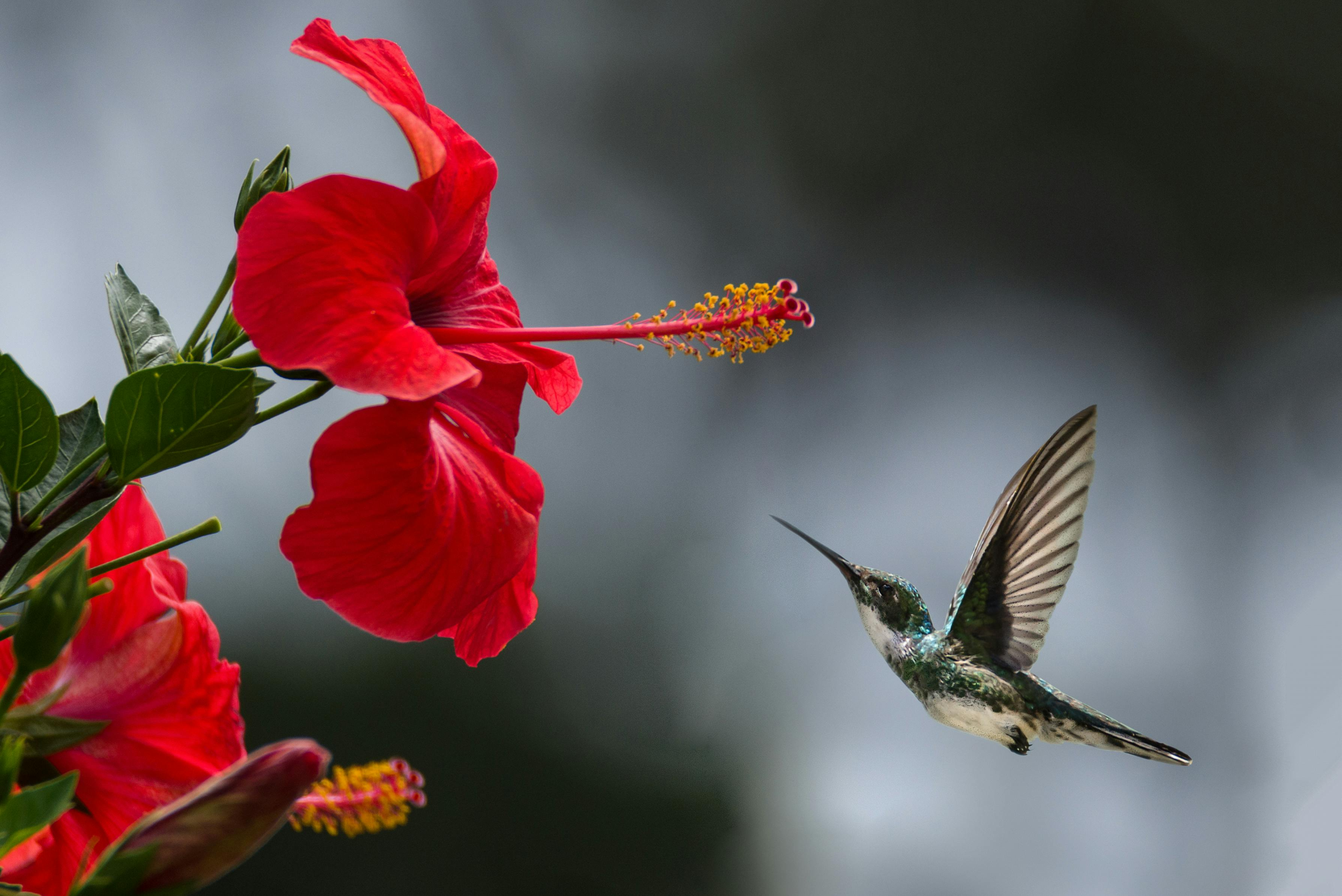
Here in Northern Michigan, we are lucky to host a small group of Ruby-throated Hummingbirds each summer. These tiny flyers have been busy at the feeders, fueling up for their incredible fall migration. It’s always a thrill to see them zipping around the sanctuary.
I currently have three feeders out, and let me tell you — these little ones do not like to share! They’ll hide in the olive bush and guard the feeders like tiny, fierce sentinels. You’ll hear them before you see them, chattering away as they chase each other from perch to perch.
As entertaining as their territorial antics are, this is actually a critical time for them. They need to build up enough energy reserves to fuel their journey south. Last year, they departed the first week of September. As we approach that window again, I’m cherishing every moment of their chitter-chattering around us.
Did you know? Ruby-throated Hummingbirds can fly up to 500 miles non-stop across the Gulf of Mexico during fall migration. They need to nearly double their body weight before making the journey.
Why Summer Heat Is Dangerous for Hummingbird Feeders
This stretch of hot weather can be tough on our hummingbirds. High temperatures mean they need more frequent hydration and energy. But the heat can also turn nectar feeders into potential hazards if not cared for properly.
Warm sugar water becomes a breeding ground for mold, bacteria, and fermentation — all of which can make hummingbirds seriously ill. Proper hummingbird feeder care during summer isn’t just helpful, it’s essential.
Here are the most important tips I follow at the sanctuary.
5 Essential Hummingbird Feeder Care Tips for Summer
1. Change Sugar Water Every 1-2 Days
During hot weather, sugar water can spoil quickly — sometimes in as little as 24 hours. When temperatures climb above 80°F, I change all three of my feeders every single day. If it’s cooler, every two days is fine.
Look for these warning signs:
- Cloudy or murky water
- Black spots (mold)
- Sour or fermented smell
If you see any of these, dump it, clean the feeder, and refill immediately.
2. Clean Feeders Thoroughly Each Time
Mold and bacteria grow fast in summer heat. Every time you refill, give the feeder a proper cleaning:
- Disassemble the feeder completely
- Scrub all parts with hot water and a bottle brush
- Pay special attention to feeding ports and seams
- Rinse thoroughly
- Avoid soap if possible — residue can deter hummingbirds
3. Use the Correct Nectar Recipe — No Red Dye
Stick to plain, homemade sugar water:
The Recipe: 1 part white sugar to 4 parts water
That’s it. No red dye, no honey, no artificial sweeteners. Red dye is unnecessary and potentially harmful. The red color of your feeder is enough to attract them.
Pro tip: Make a large batch and store extra in the refrigerator for quick refills throughout the week.
4. Place Feeders in the Shade
Try hanging your feeders in shaded spots — under a tree canopy, beneath a porch overhang, or on the north side of a structure. This keeps the nectar cooler and slows spoilage significantly.
At the sanctuary, I’ve moved my feeders under the tree line during the hottest weeks, and I’ve noticed the hummingbirds actually prefer these shaded spots. It keeps them cooler too!
5. Watch for Changes in Activity
If you notice hummingbirds visiting less frequently, that’s your signal to check the feeders. They can detect spoiled nectar and will avoid it. When this happens:
- Dump and clean the feeder immediately
- Refill with fresh, cool sugar water
- Monitor activity over the next few hours
- They’ll come back once they trust the food source again
Be a Hummingbird Hero This Summer
As our Ruby-throated Hummingbirds prepare for their long journey south, a little extra care from us goes a long way. Clean feeders with fresh nectar can be the difference between a hummingbird that’s strong enough to survive migration and one that isn’t.
These tiny birds weigh less than a nickel, yet they’ll travel thousands of miles on instinct and energy alone. The least we can do is make sure their pit stop at our feeders is safe and nourishing.
So here’s my challenge to you: Check your feeders today. If the nectar has been sitting for more than two days in this heat, dump it and start fresh. Your hummingbirds will thank you.
Help Us Keep the Feeders Full
Every season, our sanctuary goes through bags and bags of sugar keeping our hummingbird feeders stocked. Your support helps us maintain healthy feeding stations, install new feeders, and care for the habitat that makes our sanctuary a safe stopover for migrating birds.
Stay Connected
Want to know when the hummingbirds depart this fall? Join our newsletter for seasonal migration updates, sanctuary news, and birding tips delivered to your inbox.
Stay cool, and happy birding!
— Birding with Binocs